


Conversation: What are we coming to?
~ written by Kent Harrop
I'm reflecting on the murder of Alex Jeffrey Pretti by Federal agents on January 24th in Minneapolis. Alex a 37 year old ICU nurse, was shot with ten bullets, while peacefully protesting the rounding up of our immigrant neighbors.
I'm drawn to the wisdom of Henry David Thoreau. Listen to this excerpt from his journal, January 24th, 1855:
"I was surprised to find the ice in the middle of the last pond a beautiful delicate rose color for two or three rods, deeper in spots. It reminded me of red snow, and may be the same. I tried to think it the blood of wounded muskrats, but it could not be. It extended several inches into the ice, at least, and had been spread by the flowing water recently. As for vegetable pigments, there were button-bushes in and about it. It was this delicate rose tint, with internal bluish tinges like "mother-o'-pearl" or the inside of a conch. It was quite conspicuous fifteen rods off, and the color of spring-cranberry juice. This beautiful blushing ice ... What are we coming to?"
Conversation: Speaking Out
This in a recent New York Times …had enough of crazy?
E.P.A. to Stop Considering Lives Saved When Setting Rules on Air Pollution
‘In a reversal, the agency plans to calculate only the cost to industry when setting pollution limits, and not the monetary value of saving human lives, documents show.’
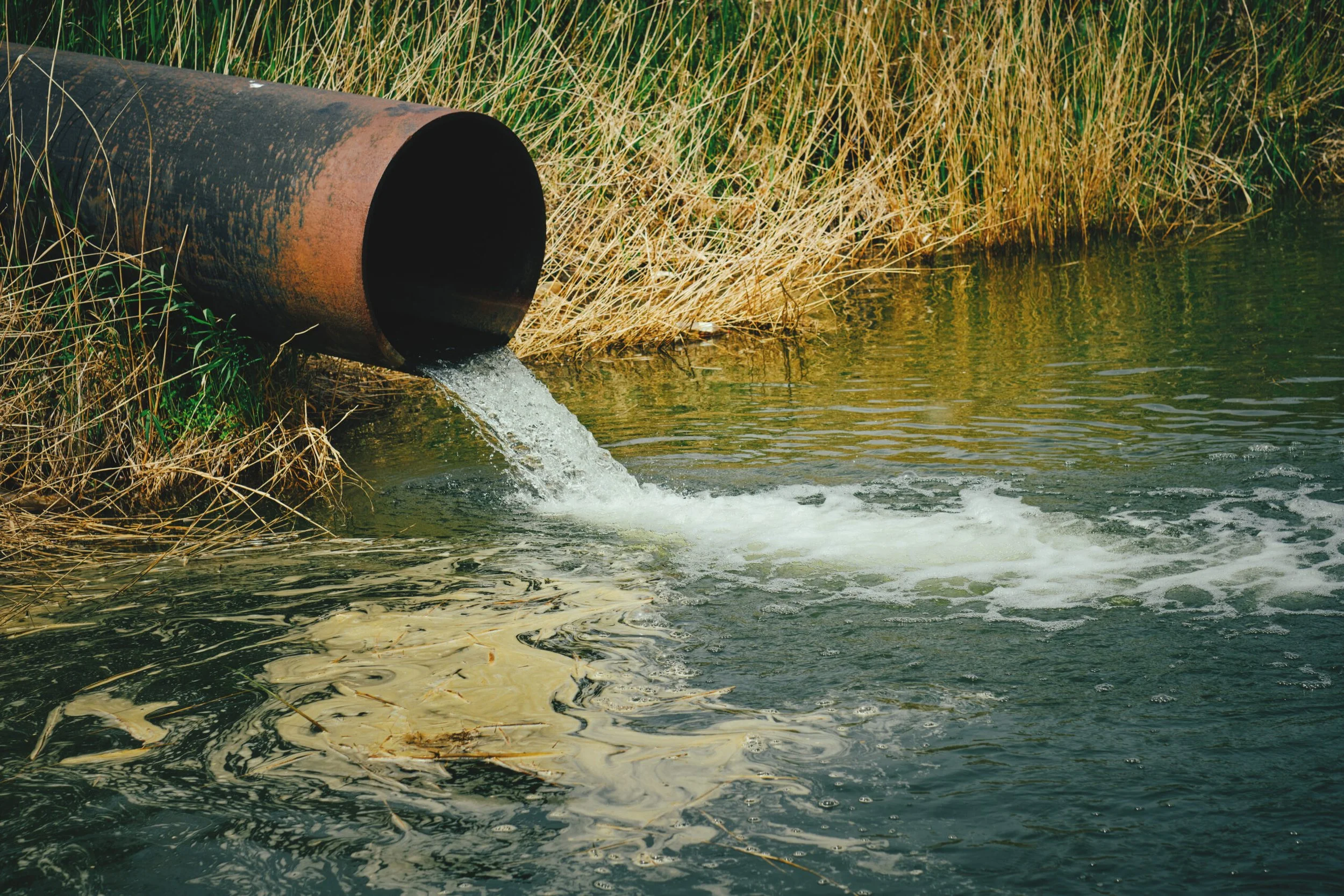
Can tossing out the Clean Water Act and Clean Air Act of the 1970s be next? For the health of our children, grandchildren and our neighbors in the natural world, yet another reason to stand up and speak out.
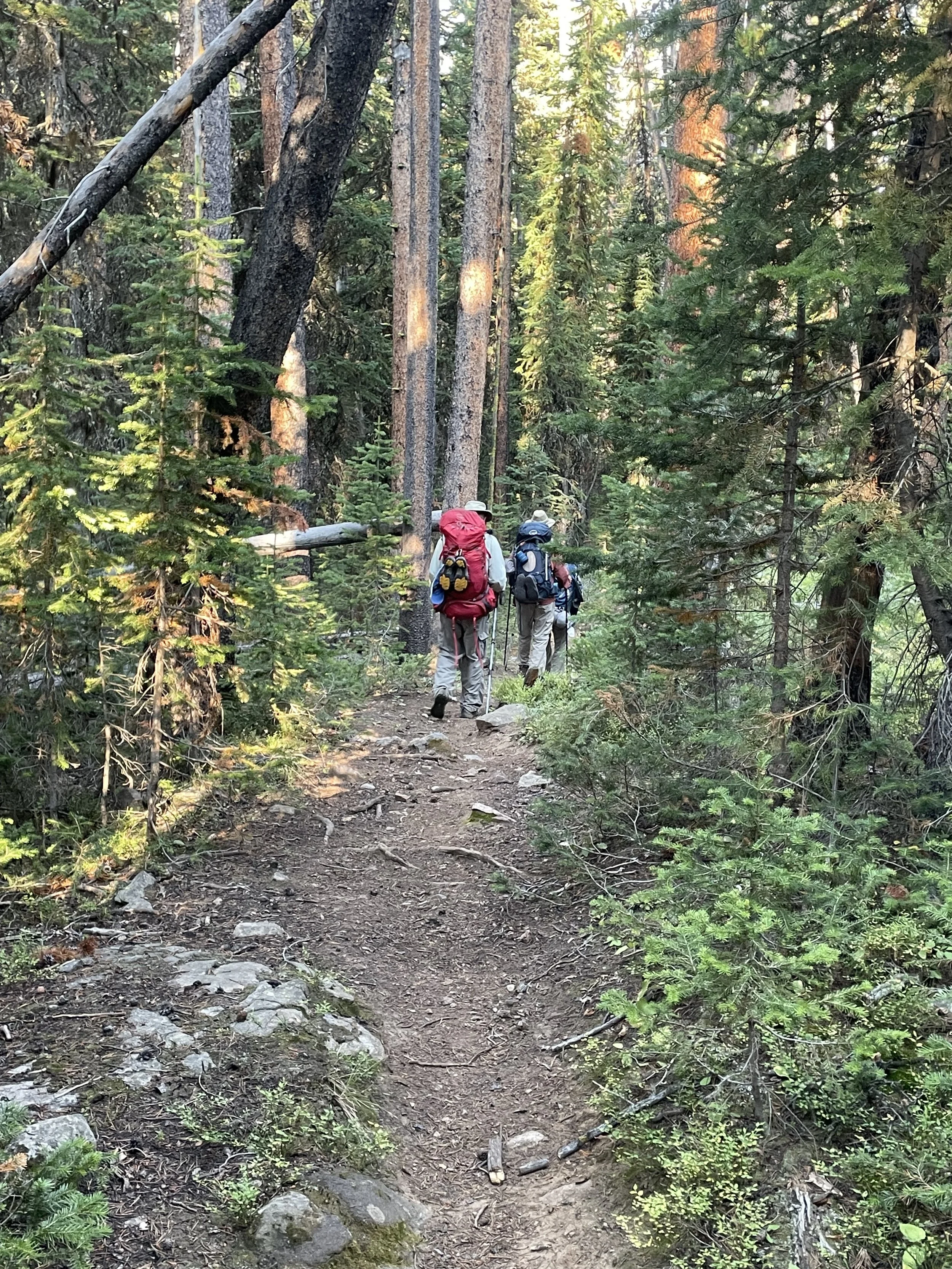
With friends backpacking the Beartooth Mountains, Montana, August 2025
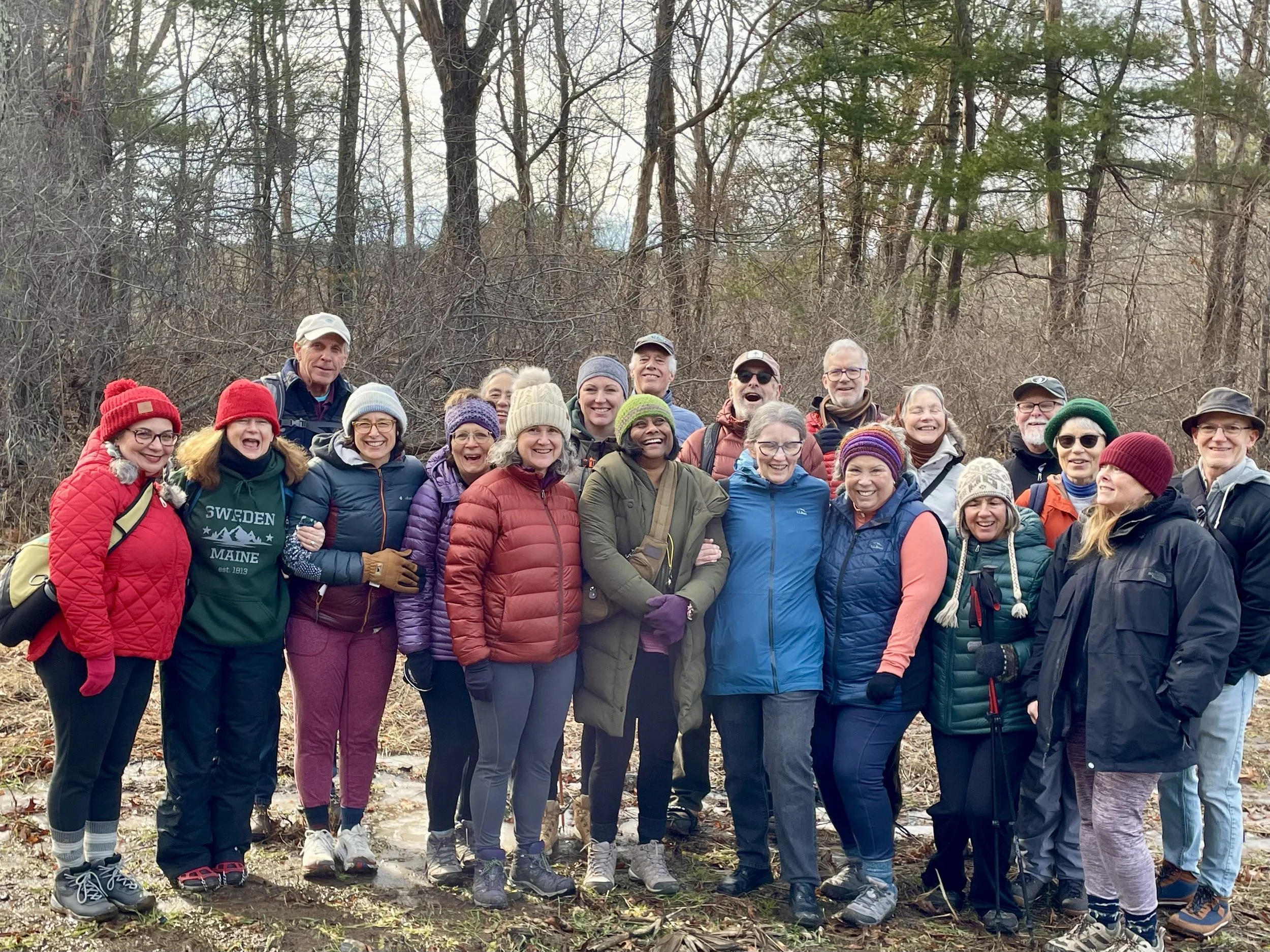
Winter hike through a white pine forest at Willowdale State Forest, MA with mud, icy trails and smiles! January 2026
Conversation: Choose Joy
~ written by Kent Harrop
In recent days the Trump administration has slammed the door on every possible avenue of global cooperation on the environment. Choked off clean energy. Sending the message that it wants the world to be awash in fossil fuels sold by America, no matter the consequences.
Short of throwing up our hands or pulling the covers over our head…how do we who love our planet, hold onto hope? I think in part it is a decision to not give in to despair. There’s a lot to be said for the quality of ‘persistence’.
Persistence however is only possible, when we are grounded, rooted in that which we love. To keep on keeping on, we are invited to spend ample time being in the presence of nature… smelling the earth, lying on our backs looking up into the canopy, hearing the wind through the trees. Savoring this gift of beauty and belonging.
This is what we at NS SING are all about. Offering opportunities to be present to the wonders and wisdom of nature. A reminder that to walk a trail or paddle a kayak is to enter a sacred place. Places to be treated with respect and care.
Robin Wall Kimmerer, indigenous elder and PHD botanist in her seminal work ‘Braiding Sweetgrass’ offers:
“I choose joy over despair. Not because I have my head in the sand, but because joy is what the earth gives me daily and I must return the gift.”
So it is, that from a place of joy we persist in being a voice for our neighbors in the natural world. A voice for those not yet born, that they too will have clean air and clean water and trees to climb and marvel over.
What does persistence look like for you? What allies will you join with in common cause?
It has been said that ‘we are the ones we’ve been waiting for’. We hold the promise of changing destructive policies both national and local. The work will not end in your or my lifetime and yet, we persist. From a place of joy. Onward!
Conversation: Standing Still
~ written by Kent Harrop
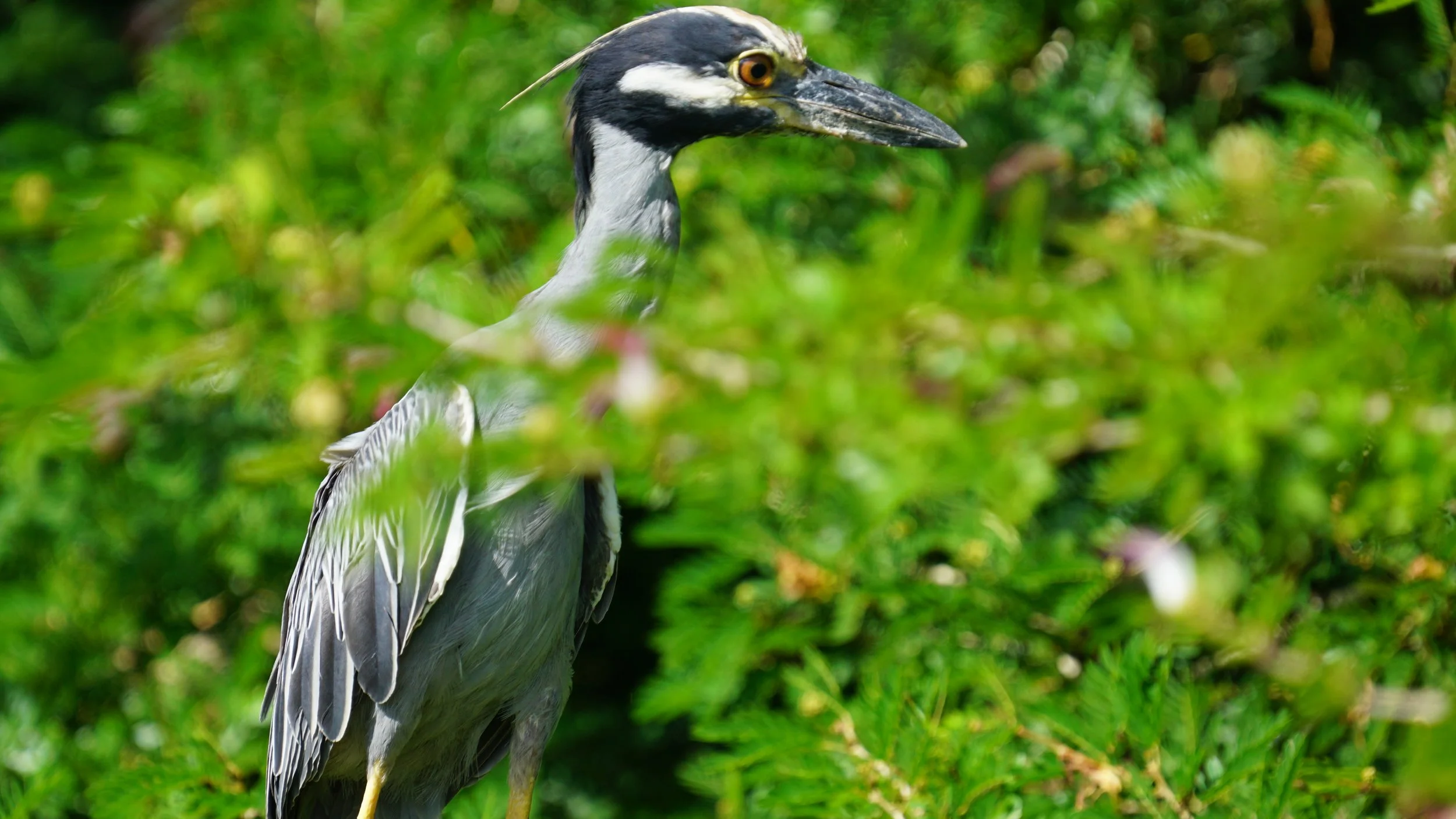
Week leading up to New Year’s Day, I adventured with family to El Yunque, a 30,000 acre rainforest in Puerto Rico. We were graced with a sighting of the Yellow Crowned Night Heron. A stunning bird in a sacred place.
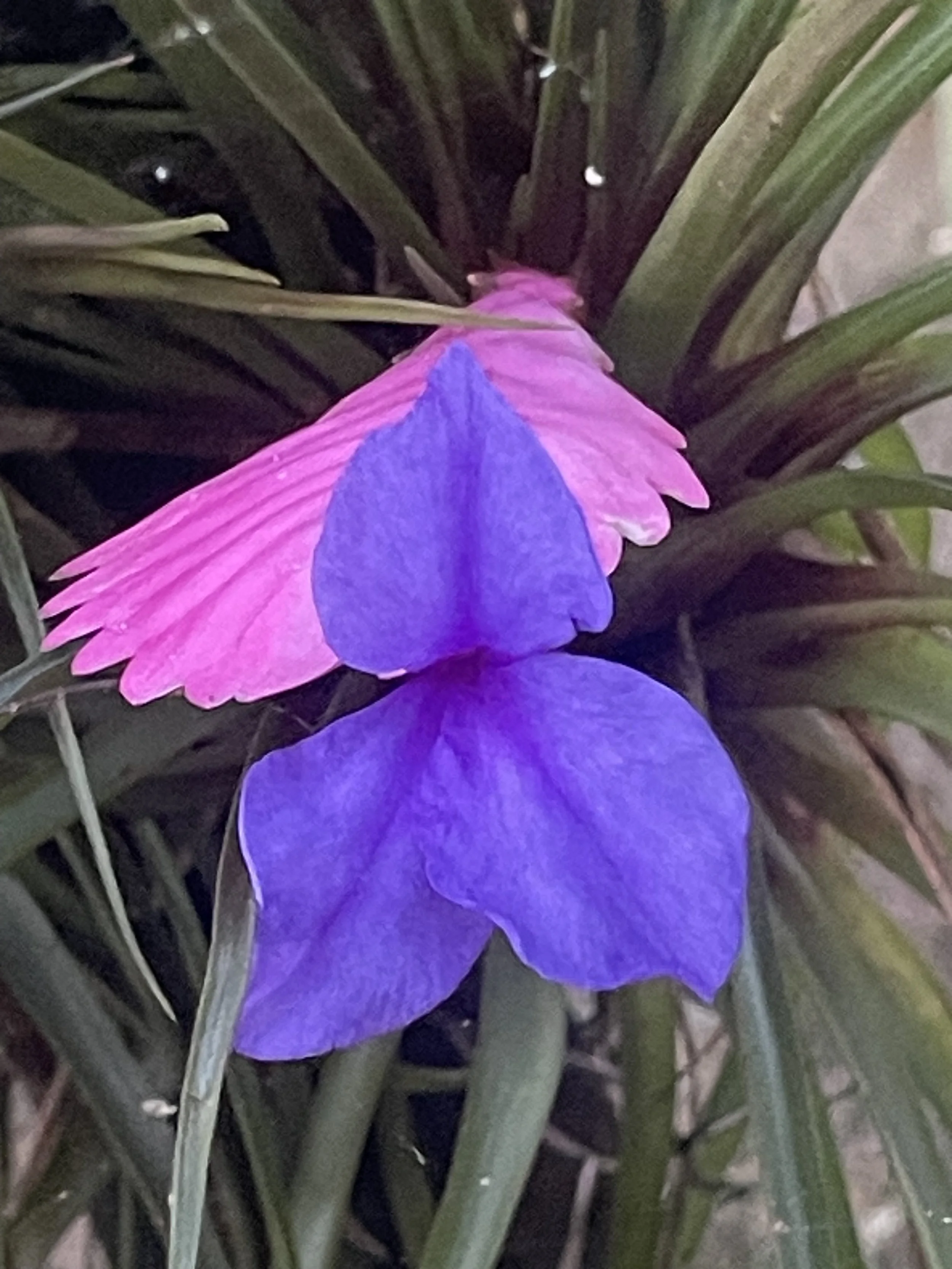
We saw too a flower of vibrant pink and purple, with a scent of cinnamon, shimmering with life (bougainvillea family).
A favorite quote from the poet and mystic Mary Oliver came to mind … “My work consists (mostly) of standing still and learning to be astonished.”
My hope for 2026, is that we too will remember to ‘stand still and be astonished’. Friends, may awe, wonder and gratitude be your companion.
Photo by Skip Schipper: Yellow Crowned Night Heron; photo by Kent Harrop, vibrant flower
Conversation: Waiting for Light
~ written by Kent Harrop
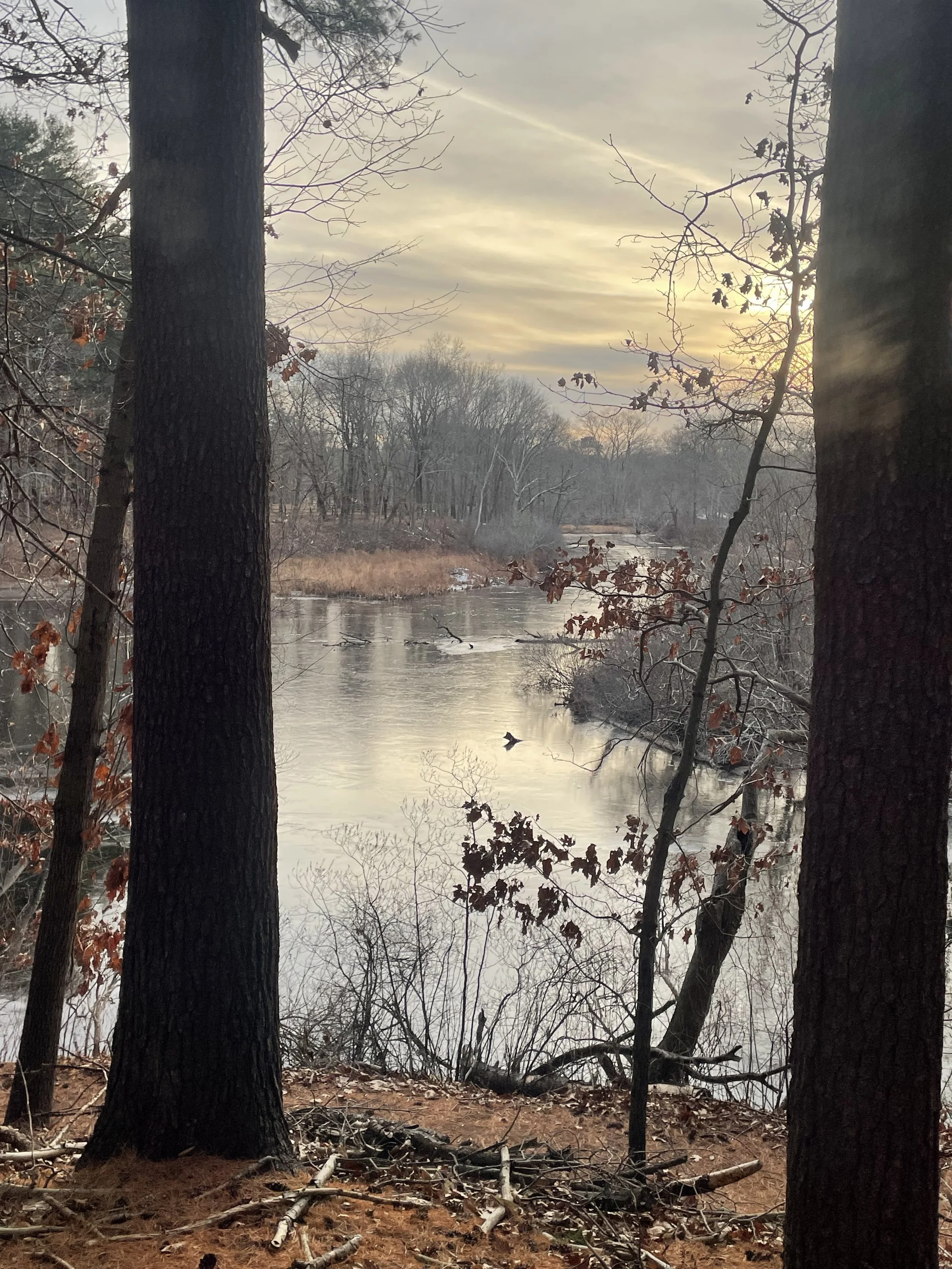
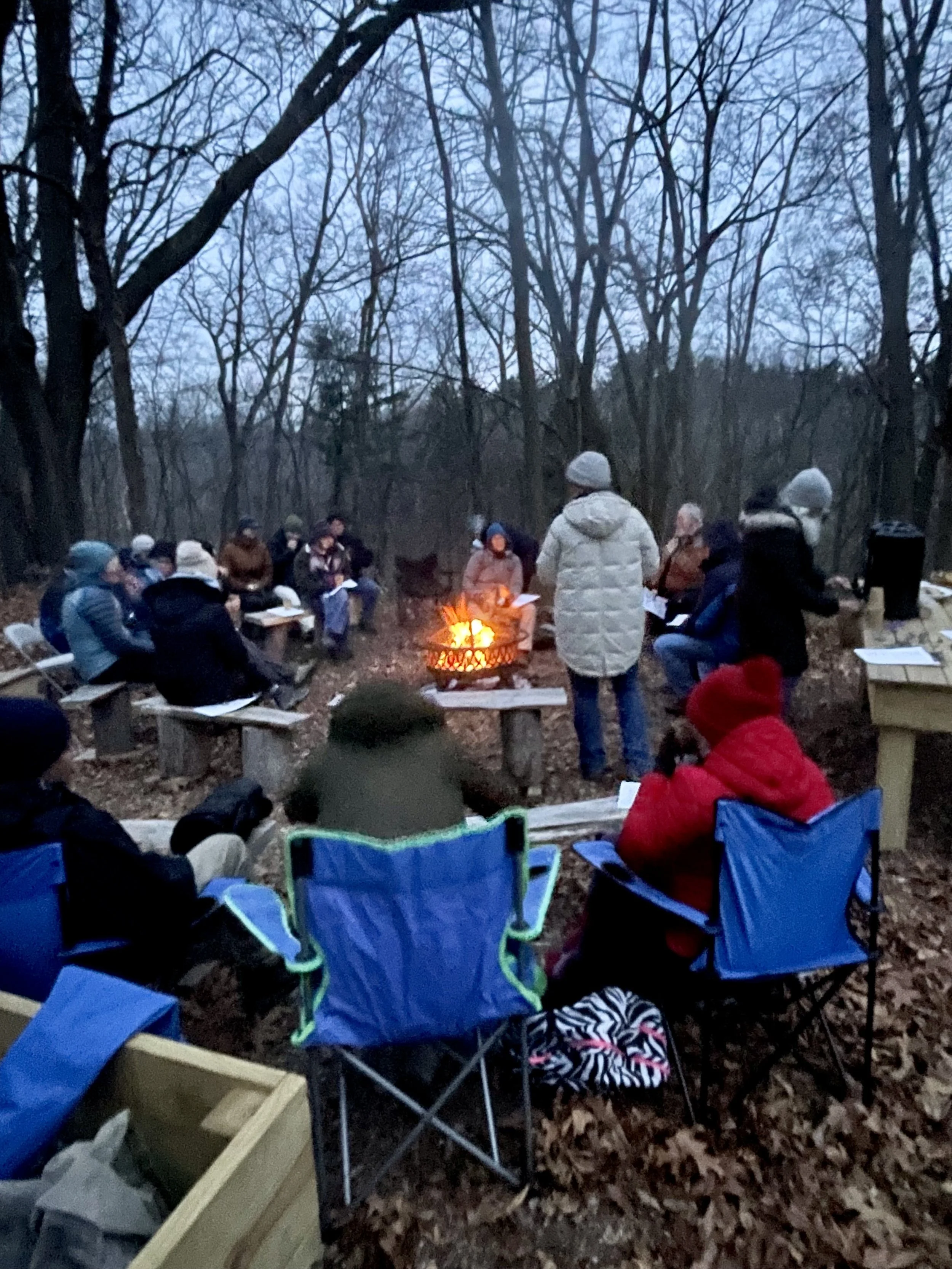
December 13th late afternoon, NS SING hiked in preparation for the Winter Solstice (arrives on 21st). We hiked along the beautiful Ipswich River and just before darkness set in we gathered by a fire. A lovely way to welcome Winter and the dark.
Yet even as we hiked, a shooting was happening 50 miles away at Brown University in my home state of Rhode Island. Two dead, 9 wounded. A community traumatized. Two of those wounded had witnessed a mass shooting earlier in their life.
On the Winter Solstice we reflect on the longest night and the shortest day. Darkness can serve as a metaphor for loss and even despair. Yet the beauty of the Solstice, is that it points to the coming of light. With each passing day the light lengthens and even in the stark winter the work of Spring is underway.
In my Christian tradition too it is a season of darkness. Christmas unfolds during a time of Roman occupation and rule of a cruel King named Herod (Gospel of Matthew 2: 1 -23). The beauty of the story is that an infant, born to peasant parents, forced to flee as refugees from an evil King, would grow up to bear witness to a way of love, forgiveness, healing and hope. A message we are desperately in need of.
Friends, I write these words with grief in my heart for the students and staff of Brown and for the city of Providence. I think too of the cruelty of our current President ordering the round up of our immigrant neighbors. It is enough to think that the darkness will never end.
By faith we claim that the light is already preparing to break forth. That love overcomes hate. May we each be graced with a measure of faith this winter season. May it be so.
Conversation: Invitation to Astonishment
“I lift up my hands
and then my eyes
and I allowed myself to
to be astonished by the great everywhere
calling to me like an old
and unspoken invitation,”
~ David Whyte Anglo-Irish poet

Conversation: When a poem becomes a prayer
~ written by Kent Harrop
In recent months our government has gutted incentives for renewable energy and doubled down on fossil fuels. Even as our planet heats up at an alarming rate. For those of us who care deeply for the health and sustainability of our environment…how are we to respond?
Here’s a poem by Ada Limon, poet laureate and mystic. Her poem reflects the despair many of us feel. Her poem also offers a measure of hope. I invite you to read.
“And oh my God, are you as exhausted as I am from grieving the planet? Tell me what I’m supposed to say about the end of the world. Tell me how not to be hysterical every time I see what’s coming. Every time I see what’s here. Tell me how to accept that it didn’t have to be this way but that it is.
Tell me how to accept this sun, this fire, this sky, this day. Don’t leave me here in these ashes. Tell me to go inside. Tell me not to stare at the sun. Tell me it’s OK to be alone. Tell me it’s OK to be scared. Tell me it’s OK to be grief stricken. Tell me not to give up. Tell me I have to live.”
~ Ada Limon, You Are Here: Poetry in the Natural World
Conversation: Book of Nature
~ written by Kent Harrop
In my Christian tradition the focus has most often been on the human story. To the neglect of the wisdom of our natural world. Perhaps that is why Christians have historically viewed nature as a commodity, rather than as a sacred trust.
Yet, there has always been a prophetic emphasis (often on the margins) calling us to expand our imagination. Here’s commentary from the Franciscan monk Richard Rohr, who invites us to open up to a Creator that is both cosmic and close.
Rohr writes:
‘ Nature itself is the primary Bible. As Paul says in Romans 1:20:
“What can be known about God is perfectly plain, for God has made it plain. Ever since God created the world, God’s everlasting power and deity is there for the mind to see in all the things that God has created.”
The world itself is the primary locus of the sacred and provides all the metaphors that the soul needs for its growth.’
If you too were brought up in a faith tradition were the parameters of thought limiting or expansive?
Conversation: Being Quiet
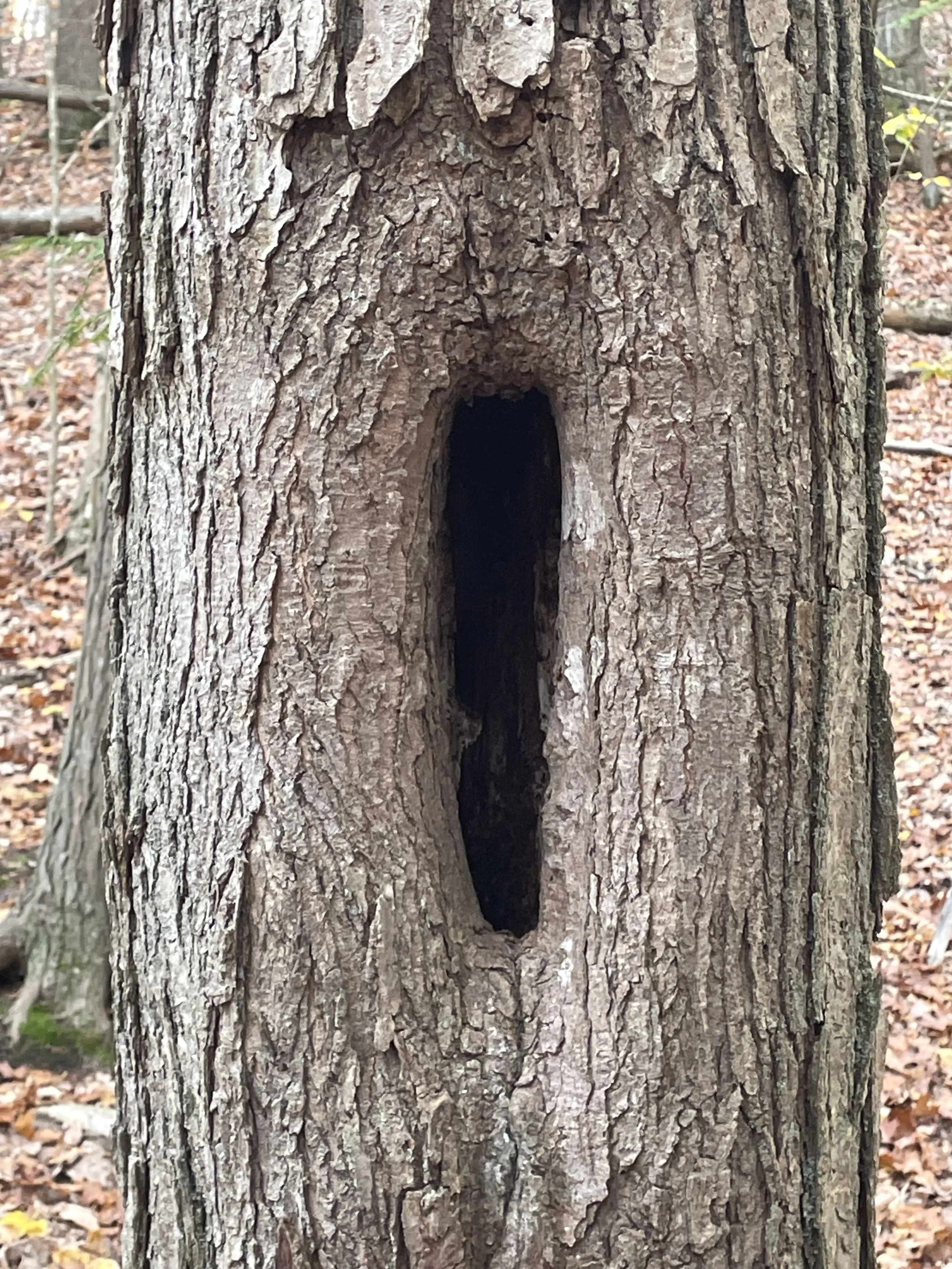
To cultivate quiet is profoundly countercultural. The spiritual journey which threads its way through all the great religious traditions invites us to slow down, to listen, to breathe deeply. The poet Mary Oliver puts it this way: "My work consists (mostly) of standing still and learning to be astonished."
The prophet Isaiah 55:3 offers “Listen and your soul will live.” An invitation both simple and profound.
North Shore SING and partner Pray and Paddle invites us to enter upon a countercultural journey of listening, noticing (and only then) responding. Together we launch our kayak or walk the trail sharing in a communal act of being in the moment.
How is it for you being quiet? Is this an area you’d like to explore?
If this intrigues you, join us for North Shore SING monthly/year round on the waterways and trails of the North Shore and Ipswich River Watershed and/or with our partner Pray and Paddle on Lake Cochichewick in North Andover, MA (prayandpaddle.org), May - October
Conversation: To Free a River
Nature has an amazing capacity for restoration. When humans make the choice to stop polluting and stop viewing nature as a commodity, then good things begin to happen. Here’s a recent article in the New York Times on what happens when a dam is removed.
It is a good news story for the Klamath River, the indigenous people, the salmon and all who call this stretch of water in Southern Oregon and Northern California home.
This story resonates for those of us who call the Ipswich River home. For 350 plus years the Ipswich River, a great tidal river has been dammed.
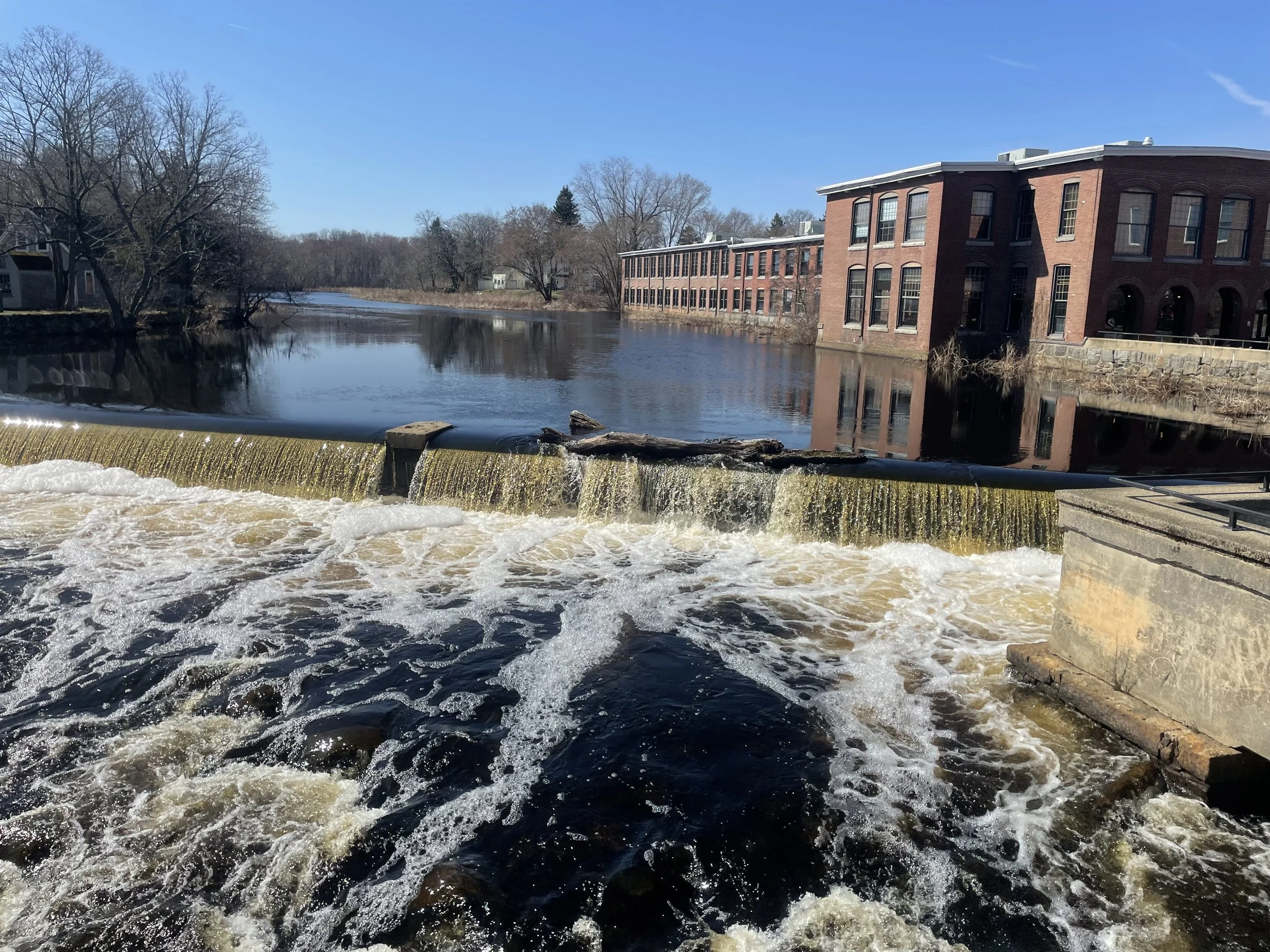
Recently the town of Ipswich, MA voted to take down the dam. Final permitting is underway. Note: Photo of Ipswich Mill Dam
This decision was the culmination of many years of advocacy by the Ipswich River Watershed Association (IRWA). A grassroots effort of residents who call this 36 mile, 155 square mile watershed home.
Imagine that day when after 350 years this great tidal river, the ancestral water of the Pawtucket/Agawam will again run free!
What are the possibilities for restoration in the places you call home?